
Learning Objectives:
 |
Ability to define various data collection techniques |
|
Knowledge of the differences between quantitative and qualitative research and the advantages and limitations of each. |
|
Ability to identify and use data mining (secondary data) sources. |
|
Ability to describe variables and units of measurement. |
|
Knowledge of the differences between validity and reliability. |
|
Ability to develop a research proposal. |
|
Ability to describe the differences between internal and external validity. |
|
Understanding of various pre-experimental, quasi-experimental and true experimental research designs. |
|
Knowledge of the six characteristics of experimental research |

To complete this Topic successfully, please complete the following activities in the order shown below:
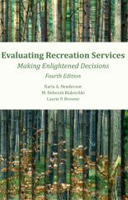 |
Textbook Reading:
|

On-line
Lesson: Unit 2: Data Collection

Assignment 1: Sampling
for Margin of Error
Assignment 2: Questionnaire
Evaluation
Assignment 3: Research Design Evaluation

Video: Daily Show - Random Sampling
 Calculating
Sample Size and Margin of Error
Calculating
Sample Size and Margin of Error
Additional Reading: Poll Commissioned Against Wage Hike
Additional Reading:
City of Flagstaff Parks, Open Space
and Recreation Master Plan - Survey Findings
Additional Reading:
Downtown Dew Questionnaire
Additional Reading:
ASA Brochures on Survey Research
Additional
Reading:
Job
Competency Analyses of Entry-Level Resort and Commercial Recreation
Professionals
Additional
Reading:
Trust
for Public Lands Telephone Survey
Additional
Reading:
Trust
for Public Lands Telephone Survey Results
Additional
Reading:
Trip
Diary Survey of Community Travel Patterns
Additional
Reading: Sample Parks and Recreation Surveys

Web
Reference: Electronic
Statistics Textbook
Web
Reference: Qualitative Research
Sites
Once you have completed the activities in this topic, you should:
Go on to Unit 3: Evidence: Data Analysis
 Copyright
2001. Northern Arizona University, ALL RIGHTS RESERVED
Copyright
2001. Northern Arizona University, ALL RIGHTS RESERVED